Language · Culture · Identity

Stop sounding like you study the language. Start sounding like you live in it.

Join the community

Members are learning French, German, Spanish, Italian, Portuguese, and more.

Native Fluency is when a new place starts feeling like home.

The moment you move to another country, your life runs partly in another language. Here is what changes with Native Fluency. You understand the joke at the dinner table the first time. You pick up the phone without writing the first sentence down. You handle the call from the bank on your own and ask the questions you came to ask. You disagree without searching for the words first. You stop being introduced as the foreigner who only speaks well, and start being introduced as you.

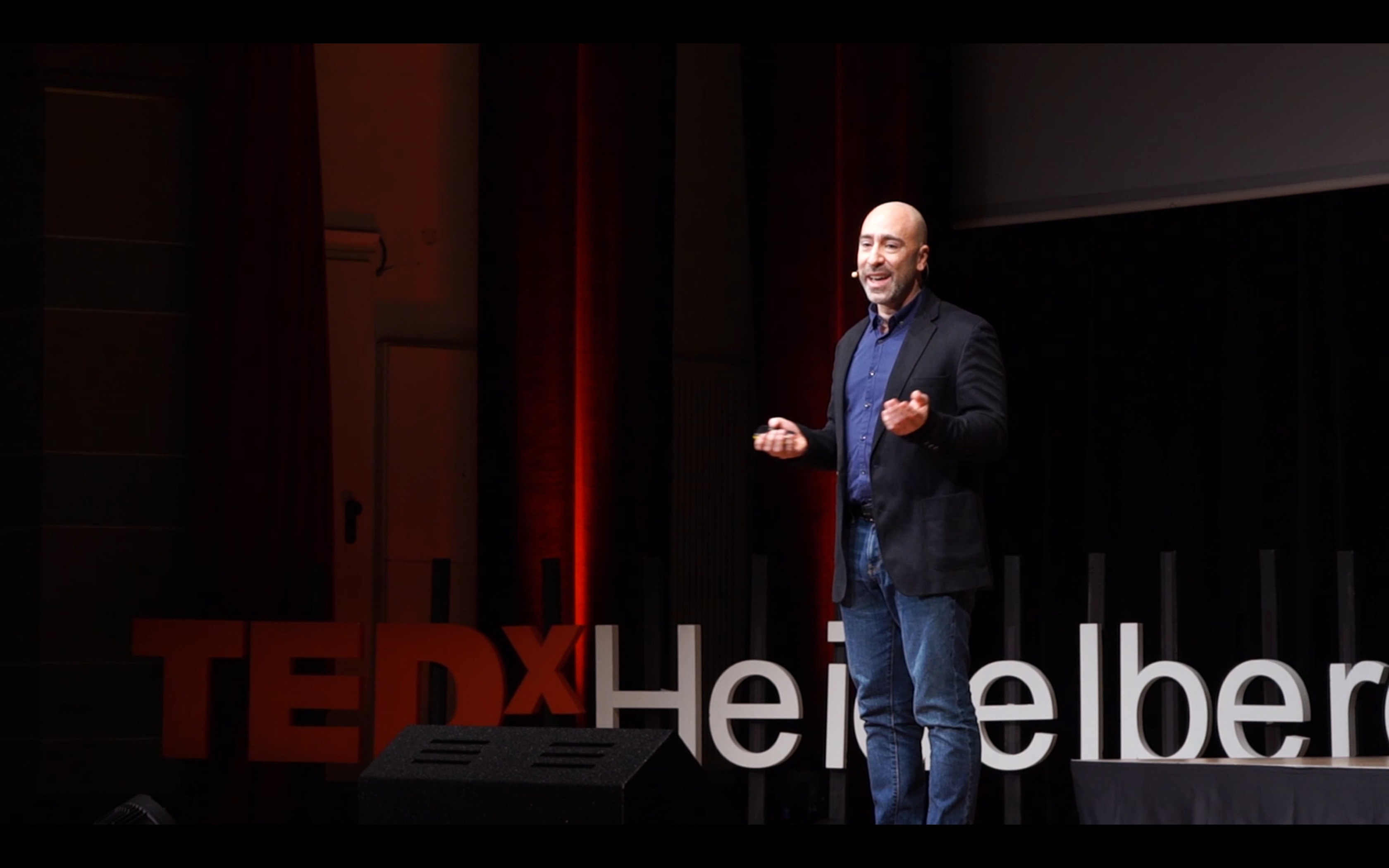
Marc Green speaking at TEDxHeidelberg

Who this is for

Native Fluency is for expats, and people about to become one, whatever language you're living in, wherever you've landed. Maybe you already get by. Maybe you're still fighting for every sentence. Either way, you want to stop being the outsider where you live: keep up at the dinner table, handle the landlord, say what you actually mean, not just what you know how to say.

It is not another language course. Most language learning sends you the long way, through grammar, exams, and literature. You can do years of that and still be the foreigner who only speaks well, never quite one of the group. The language is a tool. The point is what it gets you: a life where locals stop treating you as a visitor and start treating you as one of their own.

So we work the part that changes how locals see you: how you sound, how you talk, and how you act. That is Native Fluency. It runs as a community with live calls, working on real-world fluency and integration: understanding locals when they speak fast, and handling real conversations with confidence. This works in any language. Members are learning French, German, Spanish, Italian, Portuguese, and more.

The three levers

Three things change. Together they change everything.

Pronunciation

Sound like a native

People stop slowing down for you. They stop switching to English. You sound like you live there, not like you studied there. The phone stops being something you rehearse before you pick up. You speak and you sound like yourself.

Colloquial speech

Talk like a native

Textbooks teach you the language people write. This is the language people speak. The slang, the expressions, the figures of speech that fill a real conversation stop going past you, and then they start coming out of you. The joke at the dinner table lands the first time, and you add the next one. You can tell when someone is joking and when they mean it.

Cultural traits

Act like a native

The gestures, the humor, the way people there carry themselves: you notice them, and then you start making them your own. You read the room without anyone spelling it out. You walk into the work meeting or the apartment viewing, and you lead it. You host the dinner instead of surviving it. You disagree without searching for the words first. The person you are in your first language shows up in this one too.

Marc Green on the TEDxHeidelberg stage, the Sound / Express yourself / Act like a native framework on screen

Before → After

What changes, in real life.

Before

You assume you will need to bring someone with you to a meeting.

After

You go on your own. You ask what you want to ask, and you follow up when the answer is not clear.

Before

You plan out what you will say before you call the doctor, and hope they do not ask anything you have not prepared for.

After

You pick up the phone, say what is wrong, and book the appointment.

Before

You sit at the dinner smiling at jokes you only half get, waiting for someone to explain.

After

You get the joke the first time. You add the next one. People laugh with you.

Before

You write the email in English, run it through a translator, then check every line twice before you send.

After

You write it in the language and it sounds like you. You send it without checking.

Before

You think about the people you want to spend time with there and wonder if you will ever feel at home.

After

You spend time with them and you feel at home. People stop treating you like a tourist.

Marc Green, studio portrait

Meet Marc Green

Marc has lived in six countries and learned six languages, each time starting over as the new foreigner in town. The approach he teaches here is the one he built for himself across those moves, not something he picked up in a classroom. He laid out the thesis in his TEDx talk, "Beyond Fluency: How to talk like a native speaker," at TEDxHeidelberg.

If you want to work with Marc directly, book a call.

The day they stop switching to English is the day you stop being a guest.

Join the community